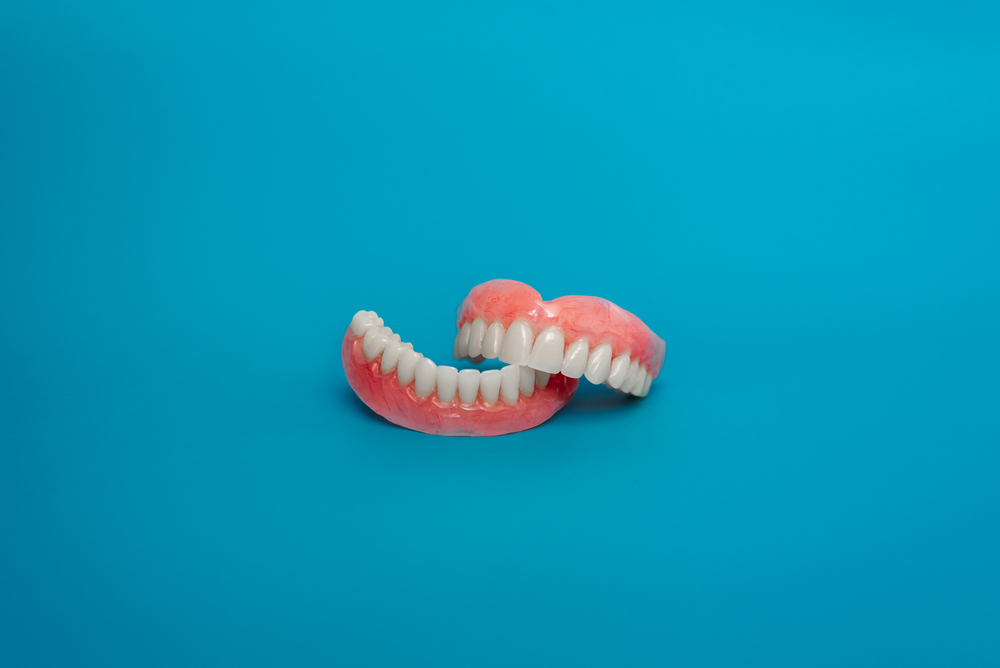
Missing teeth can impact your self-esteem, speech, and ability to enjoy your favourite foods. Modern restorative dentistry offers trusted solutions to restore both function and appearance.
If you are exploring options for dentures in Toronto, understanding the different types available can help you make an informed decision alongside your dental provider.
Whether you are missing one tooth or an entire arch, the right restoration can greatly improve your quality of life.
What Is the Primary Difference Between Full and Partial Dentures?
The main difference between full and partial dentures lies in how many teeth are being replaced and how the appliance is supported in the mouth. Check the complete difference between the two in the following table:
| Feature | Full Dentures | Partial Dentures |
| Teeth Replaced | All teeth in the upper or lower arch | One or several missing teeth |
| Support Method | Rest on gums using suction or adhesive | Anchored to natural teeth with clasps |
| Presence of Natural Teeth | No natural teeth remain | Some healthy natural teeth remain |
| Base Material | Gum-colored acrylic | Acrylic base, often reinforced with metal |
| Stability | Relies on fit and muscle control | More stable due to support from natural teeth |
| Ideal For | Patients missing an entire arch | Patients with partial tooth loss |
What Should You Expect During Denture Treatment?
The process for full and partial dentures treatment involves several steps to ensure comfort, fit, and aesthetics.
The treatment starts with a complete dental exam of your oral health which includes your gums and any remaining teeth. If full dentures are needed, extractions might be performed before the process.
Once the mouth is prepared, detailed impressions of the jaw and ridges are taken. A dental laboratory uses these to create a custom prosthetic that complements your facial features.
Patients attend one or more “try-in” appointments, where a wax model is tested for bite alignment, comfort, and appearance. After final placement, follow-up visits allow for adjustments as your mouth adapts to the new appliance.
Where Can You Get Dentures?
Choosing to get dentures near you offers practical benefits, mainly during the initial adjustment period. Further, follow-up visits are important to relieve sore spots or fine-tune the fit.
A nearby clinic allows for timely care and ongoing maintenance, which is essential for preserving gum health and preventing bone loss.
Regular checkups also help reduce the “sunken” facial appearance that can develop over time when dentures no longer fit properly. Convenience plays a key role in ensuring long-term success with any prosthetic appliance.
How Do You Choose the Right Dental Clinic for Dentures?
Selecting the right dental clinic for dentures involves more than convenience.
Look for a team that combines technical expertise with attention to aesthetics. High-quality materials such as premium acrylic or porcelain can significantly affect durability and appearance.
A reputable clinic will clearly explain material options, such as the lightweight nature of acrylic dentures versus the strength of cast-metal frameworks for partials.
They should also provide guidance on proper cleaning, maintenance, and expected replacement timelines so you know what to anticipate long-term.
Why Visit a Professional Dental Clinic?
A trusted dental clinic in Toronto offers access to advanced diagnostic tools like digital X-rays and 3D imaging.
These technologies offer accurate measurements, which are critical for comfort and stability.
Clinics in metropolitan areas often work closely with specialised dental laboratories, resulting in more natural-looking results and faster turnaround times.
Being centrally located also makes it easier to access repairs, adjustments, or future upgrades, such as implant-supported dentures, should you choose to enhance stability down the road.
How Can a Dentist Help With the Transition?
The adjustment period after receiving dentures can take several weeks. Your muscles must adapt to new patterns of chewing and speaking. Having a dentist near you makes it easier to address discomfort quickly.
Your provider will offer guidance on eating softer foods initially and provide a gradual “breaking-in” schedule.
For partial dentures, they will also monitor the health of your remaining teeth to ensure the supporting structures remain strong and decay-free.
What Is the Typical Cost of Full and Partial Dentures?
The cost of full and partial dentures varies depending on materials, design complexity, and preparatory procedures. In Toronto, fees can differ based on individual needs and customisation.
| Denture Type | Estimated Cost (Toronto) | Key Cost Factors |
| Complete (Full) Denture | $1,200 – $3,300 | Extractions, material quality, customization |
| Partial Acrylic Denture | $700 – $1,800 | Number of teeth replaced, clasp design |
| Partial Cast Metal Denture | $1,200 – $2,500 | Framework complexity, durability |
| Immediate Denture | $1,400 – $3,500 | Temporary use, fast fabrication timeline |
Restoring Your Smile
Dentures do not just help you replace missing teeth, but they also help you regain lost confidence.
Whether you need a full or partial restoration, working with a dental professional ensures a solution that fits comfortably and supports long-term oral health.
At Bloor Lansdowne Dental Centre, we are dedicated to helping patients find dentures that suit their lifestyle and needs.
Our team focuses on personalised care and quality craftsmanship to help you achieve a functional, natural-looking smile.
Contact us today to schedule your consultation and take the first step toward restoring your smile.
FAQs
How long do dentures last?
Most dentures need replacement or relining every 5 to 7 years due to natural jawbone changes.
Can I sleep with my dentures in?
It is best to remove them at night to allow your gums to rest and reduce bacterial growth.
Will insurance cover dentures?
Many private insurance plans cover 50% to 80% of major restorative procedures, depending on plan limits.
How should dentures be cleaned?
Daily brushing with a soft-bristle brush and non-abrasive cleanser is recommended, along with overnight soaking in a denture solution.