Emergency Dentistry Near You
A sudden toothache, a broken tooth, or an injury to your mouth can disrupt your day without warning. Along with the discomfort, you may be unsure whether the problem requires immediate attention. We provide emergency dentistry in Toronto to assess urgent dental concerns, identify the cause of your symptoms, and determine the appropriate treatment.
At Bloor Lansdowne Dental Centre, we understand how stressful unexpected dental problems can be. If you need emergency dentistry near you, contact our team to explain your symptoms. We can advise you on the next steps and discuss appointment availability.
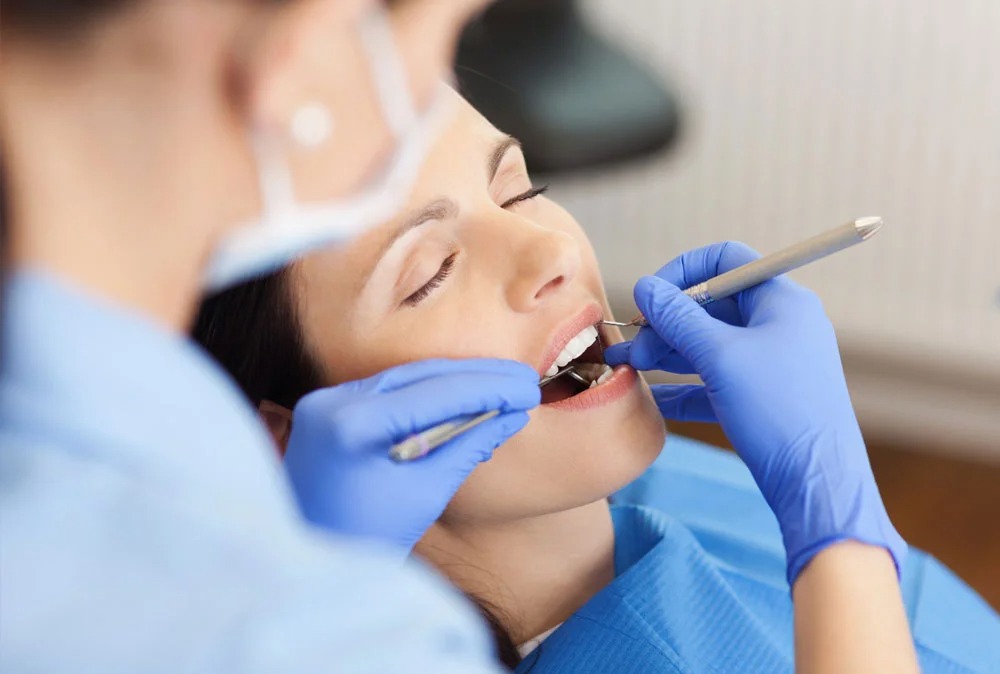
What Is Emergency Dentistry?
Emergency dentistry focuses on assessing and treating dental problems that require prompt attention. These may include severe tooth pain, damaged teeth, dental injuries, infections, or problems with existing restorations.
The urgency of treatment depends on the symptoms and the extent of the damage. Some conditions can be managed during the initial appointment, while others require additional treatment to address the underlying problem.
At Bloor Lansdowne Dental Centre, we assess the affected area, review your symptoms, and determine which treatment may be appropriate. If you experience difficulty breathing or swallowing, uncontrolled bleeding, or serious facial trauma, seek emergency medical care immediately.
What Counts as a Dental Emergency?
Not every dental concern requires urgent treatment, but certain symptoms should not be ignored. Severe pain, swelling, trauma, or uncontrolled bleeding may indicate a problem that needs prompt assessment.
Common dental emergencies include:
- Severe Toothache: Persistent pain that interferes with eating, sleeping, or other daily activities.
- Broken or Cracked Teeth: Damage that exposes sensitive areas, causes discomfort, or affects the tooth’s structure.
- Knocked-Out Permanent Teeth: Dental injuries that require immediate action to improve the chance of saving the tooth.
- Dental Abscesses: Infections that may cause pain, swelling, or fever and require prompt dental assessment.
- Lost Fillings or Crowns: Damaged or missing restorations that leave the underlying tooth exposed, sensitive, or vulnerable.
- Soft-Tissue Injuries: Cuts or injuries affecting the lips, tongue, or gums that may require attention.
We provide emergency dentistry in Toronto to assess urgent dental concerns, identify the cause of your symptoms, and determine the most appropriate treatment for your situation.
What Should You Do Before Your Emergency Dental Appointment?
The steps you take immediately after a dental injury can help protect the affected area while you arrange professional care. Try to remain calm and avoid putting unnecessary pressure on the injured tooth or surrounding tissues.
Depending on the situation, you can take the following steps.
- For Toothaches: Rinse your mouth gently with warm water and avoid chewing on the painful side.
- For a Knocked-Out Permanent Tooth: Hold the tooth by its crown rather than the root. If possible, gently reinsert it without forcing it. Otherwise, keep it in milk and seek immediate dental care.
- For Swelling: Apply a cold compress to the outside of your cheek to help reduce swelling.
- For Bleeding: Place clean gauze over the affected area and apply gentle, continuous pressure.
- For a Broken Tooth: Save any fragments you can recover and avoid chewing with the damaged tooth.
If bleeding cannot be controlled, swelling affects your breathing or swallowing, or you sustain a serious facial injury, seek emergency medical care rather than waiting for a dental appointment.
How Are Dental Emergencies Treated?
Treatment depends on the cause of the problem, the extent of the damage, and your overall oral health. The first step is to assess the affected area and determine what needs immediate attention.
Emergency dental treatment may involve several steps.
- Examination and Diagnosis: We review your symptoms, examine the affected area, and take dental X-rays when necessary.
- Pain Management: We determine the cause of your discomfort and discuss appropriate ways to manage it.
- Tooth Repair: Depending on the damage, treatment may involve repairing a broken tooth or replacing a lost filling or crown.
- Infection Management: We assess signs of infection and determine the dental treatment required.
- Further Treatment Planning: We explain whether additional appointments are needed to complete treatment and restore the affected tooth.
Some conditions can be treated during the first visit, while others require follow-up care. If you are looking for emergency dental care near you, we can explain the recommended approach based on our findings.
Why Should You Avoid Delaying Emergency Dental Treatment?
Dental problems can worsen when left untreated. A small fracture may extend further with continued chewing, while an infection may spread beyond the affected tooth. Delaying assessment can also make it more difficult to preserve damaged tooth structure in some cases.
Seeking emergency dental care promptly allows the problem to be assessed and appropriate treatment to be considered before further complications develop.
Even if your pain suddenly disappears, the underlying condition may still require attention. A reduction in discomfort does not necessarily mean the problem has resolved.
What Happens After Your Emergency Dental Visit?
Once the immediate concern has been addressed, we may recommend additional care to restore the affected tooth, protect existing dental work, or monitor healing.
- Follow-Up Appointments: Some conditions require additional visits to complete treatment or assess recovery.
- Permanent Restorations: A temporary repair may need to be followed by a filling, crown, or another suitable restoration.
- Ongoing Monitoring: We may recommend checking the affected tooth and surrounding tissues to assess their condition.
- Aftercare Instructions: Following the recommended care routine can help protect the treated area during recovery.
If you have been searching for emergency dentistry near you, remember that pain relief or a temporary repair may not resolve the underlying problem permanently. Completing the recommended treatment is important for protecting your oral health.
Why Choose Bloor Lansdowne Dental Centre for Emergency Dentistry?
Choosing a dental clinic in Toronto for emergency dentistry means knowing where to seek guidance when an unexpected dental problem arises. During a stressful situation, clear communication and an appropriate assessment can help you understand your options.
At Bloor Lansdowne Dental Centre, we focus on the following aspects of care.
- Symptom Assessment: We review your concerns and examine the affected area to help identify the problem.
- Clear Explanations: We explain our findings and discuss the treatment options available.
- Individualised Treatment Planning: We consider the condition of your tooth and surrounding tissues when recommending care.
- Follow-Up Guidance: We explain any further treatment or aftercare needed following your initial appointment.
Our aim is to help you understand your dental concerns and make informed decisions about the next steps.
Get Help When Dental Problems Cannot Wait
A painful or damaged tooth should not be left unassessed simply because the symptoms come and go. A dental examination can help identify the problem and determine whether urgent treatment is needed.
Contact Bloor Lansdowne Dental Centre to discuss your symptoms and available appointments. Call 416-535-7312 to reach our clinic on Lansdowne Avenue, Toronto, Ontario, M6H 3Y9. Our team can guide you on the next steps for your dental care.
FAQs
Over-the-counter pain medication may provide temporary relief. Follow the product instructions and consider your medical history or existing medications when choosing a suitable option. Contact a healthcare professional if you are unsure what is safe for you.
Seek emergency medical care for uncontrolled bleeding, serious facial trauma, or swelling that affects breathing or swallowing. Other urgent dental concerns should be assessed by a dental professional as soon as possible.
No. A knocked-out baby tooth should not be reinserted because doing so may damage the developing permanent tooth underneath. Seek dental advice to assess the injury.
You should still have the tooth assessed. Pain may subside even when an underlying problem, such as decay or infection, remains.