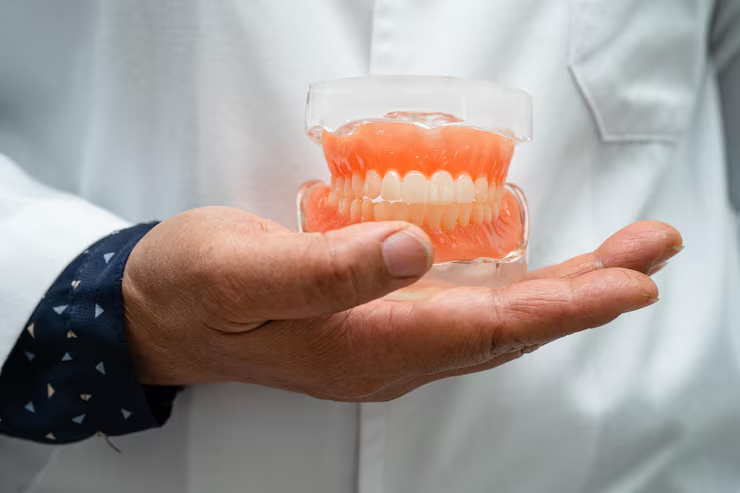
Getting new dentures is a big change for your mouth and your daily life. On the first day, your mouth may feel full or crowded. You may also notice more saliva than usual, which is your mouth reacting to something new. This is normal. Talking to your dentist in Toronto can help you understand how your dentures should fit and what to expect during the first few weeks.
The First 24 Hours
The first day is mostly about getting used to the feeling of dentures against your gums. If you recently had teeth removed, your mouth may feel sore or tender. Your dental team may ask you to wear your dentures for a specific amount of time at first so they can check pressure spots and make adjustments if needed.
After getting your dentures in Toronto, patience is important. Your mouth, tongue, cheeks, and gums all need time to adjust.
Helpful tips for your first day:
- Eat soft foods like mashed potatoes, yogurt, eggs, or applesauce.
- Avoid very hot drinks, as your mouth may not sense temperature as well at first.
- Read out loud if your speech feels different.
Week One: Getting the Hang of It
During the first week, you are training your mouth to work with your dentures. You may notice sore spots where the dentures rub against your gums. If this happens, do not try to adjust them yourself. Visit a dental clinic near you so the dentist can check the fit and make small changes.
When eating, try to chew on both sides of your mouth at the same time. If you chew only on one side, the dentures may tilt or move. Use small bites, eat slowly, and give yourself time to practise.
Weeks Two to Four: Feeling More Natural
By the second or third week, the strange feeling often starts to improve. Your facial muscles begin learning how to hold the dentures in place, and your speech may sound more natural.
This is also when many patients start feeling more confident. Still, small adjustments may be needed. If your dentures feel loose, painful, or uneven, contact your dental team.
Keeping Your Dentures Clean
Dentures need daily care, even though they are not natural teeth. Remove and rinse them after meals when possible. Brush them daily with a denture brush or soft toothbrush.
You also need to clean your mouth. Gently brush your gums, tongue, and the roof of your mouth every morning. This helps keep your breath fresh and supports healthy gums.
The Secret to a Better Fit
The shape of your mouth can change over time, especially after teeth have been removed. Dentures that fit well at first may feel looser later. Your dental team can adjust or reline them so they continue to fit more comfortably.
Everyone adjusts at a different speed. Some people feel comfortable in a few weeks, while others need more time. The most important thing is to follow your dentist’s instructions and ask for help if something feels wrong.
Your New Beginning
Starting with dentures may feel overwhelming at first, but it usually gets easier with time and practice. Soon, eating, speaking, and smiling can feel more natural again.
At Bloor Lansdowne Dental, our team is here to support your comfort and answer any questions you have throughout the adjustment period.
Call us today to book your denture consultation.
Frequently Asked Questions
Why does my mouth feel so full on the first day?
New dentures can feel bulky at first. Your cheeks and tongue need time to adjust to the new shape.
Will I be able to talk normally with new dentures?
Yes, but it may take practice. Reading out loud can help your tongue adjust to the position of your dentures.
Why am I making so much extra saliva?
Your mouth may react to dentures like they are food at first. This usually improves after a few days as your mouth adjusts.
Can I eat my favourite foods right away?
It is best to start with soft foods. You can slowly add firmer foods as you become more comfortable chewing.