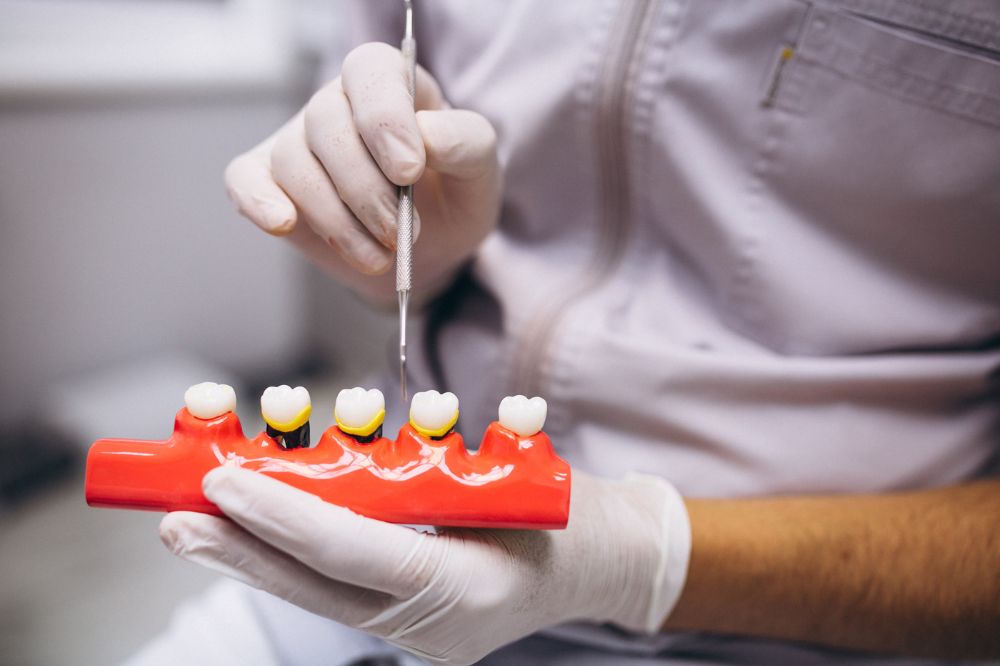
Many people explore dental crowns in Toronto when a tooth becomes weak, cracked, or badly worn down. A crown covers the tooth and protects it so it can function normally again.
Understanding the full process and long-term care can help reduce uncertainty. When patients know what to expect, treatment feels more manageable and less stressful.
When Is A Dental Crown Needed
A crown is often recommended when a tooth cannot be repaired with a simple filling. Large cavities, broken teeth, or teeth that have had root canal treatment may require added protection. Crowns restore strength and help maintain proper chewing. They also prevent further damage to a weakened tooth structure.
Dental Crown Procedure Step By Step
Learning about the dental crown procedure step by step can help patients feel more prepared. The process is usually completed in two visits, although the timeline may vary depending on the case.
Before treatment begins, the tooth is carefully examined. X-rays may be taken to check the root and surrounding bone. Once everything is reviewed, the procedure follows a clear sequence.
- The tooth is cleaned by removing any decay and shaped so the crown can fit properly. A small layer of enamel is trimmed to make space for the crown.
- A mould or digital scan is taken so the new crown can be made to match your other teeth in size and shape.
- A temporary crown is placed on the tooth to protect it while the final crown is being prepared.
- At the next visit, the new crown is checked to make sure it fits well and matches the colour of your teeth. Once everything looks right, it is fixed firmly in place.
After placement, minor adjustments may be made to ensure your bite feels balanced. Most people are able to return to normal activities shortly after the appointment.
How Dental Crowns Are Placed
Many patients want to understand how dental crowns are placed and whether the procedure will be uncomfortable. The area around the tooth is numbed first, which helps keep you relaxed during treatment.
Once the custom crown is ready, it is carefully positioned over the prepared tooth. The alignment and bite are checked to make sure it feels natural before final bonding.
- The crown is gently placed over the tooth to check its fit.
- The bite is tested to ensure it aligns evenly with the surrounding teeth.
- Adjustments are made if the crown feels too high or uneven.
- A strong dental cement is used to secure the crown in place.
After the bonding is complete, the crown should feel stable and secure. A short adjustment period is normal, but most patients adapt quickly.
What To Expect After The Procedure
Some mild sensitivity to hot or cold foods may occur for a few days. This usually improves as the tooth settles into its new restoration. If discomfort continues or the bite feels uneven, it is important to contact a dentist near you for an evaluation. Small adjustments can improve comfort and prevent long-term problems.
Long-Term Maintenance Of Dental Crowns
Caring for a dental crown is similar to caring for natural teeth. Daily habits play a major role in how long the crown will last.
Consistent oral hygiene helps prevent decay from forming at the edges of the crown. Healthy gums also support the long-term stability of the restored tooth.
- Brush twice daily with a soft-bristle toothbrush to remove plaque.
- Floss gently around the crown to keep the gumline clean.
- Avoid chewing hard items such as ice or hard candies.
- Visit your dentist regularly for cleanings and routine exams.
Following these steps can extend the lifespan of your crown. Regular monitoring ensures that small issues are addressed before they become larger concerns.
How Long Do Dental Crowns Last
Most dental crowns last about ten to fifteen years, and sometimes even longer with good care. How long they last depends on your brushing habits, how hard you bite, and your overall dental health.
Patients who maintain regular check-ups and good hygiene often see longer results. Choosing dental crowns near you also makes follow-up visits easier, which helps keep the crown and surrounding tooth in good condition over time.
When A Crown May Need To Be Replaced
With time, a crown can wear down or become loose. You may see a crack, feel sensitivity, or notice that your bite does not feel the same as before. Regular check-ups help spot these changes early. Treating the problem quickly can protect the natural tooth under the crown.
Strong Protection For A Healthier Smile
Bloor Lansdowne Dental Centre offers careful exams and treatment plans to help protect and restore your smile. If a crown could help your tooth, book your appointment today and take a positive step toward stronger and healthier teeth.
Frequently Asked Questions
How long does it take to get a dental crown?
Most crowns are completed in two visits, depending on the case.
Is getting a crown painful?
The area is made numb before the treatment starts, so most people feel little or no pain during the procedure.
Can a crowned tooth get a cavity?
Yes, a cavity can still form around the edges of the crown if brushing and flossing are not done properly.
Do crowns look natural?
Crowns are made to match the colour and shape of your natural teeth, so they blend in with your smile.