Root Canal Near You
A toothache that keeps returning, sharp discomfort when biting, or sensitivity that lingers after drinking hot beverages can interfere with everyday activities. These symptoms may indicate a problem inside the tooth. When the pulp becomes inflamed or infected, we provide root canal treatment in Toronto to help address the problem and preserve the natural tooth when possible.
At Bloor Lansdowne Dental Centre, we understand that the thought of undergoing a root canal can make you nervous. If you are looking for a root canal near you, our team can examine the affected tooth, explain the cause of your symptoms, and discuss suitable treatment options.
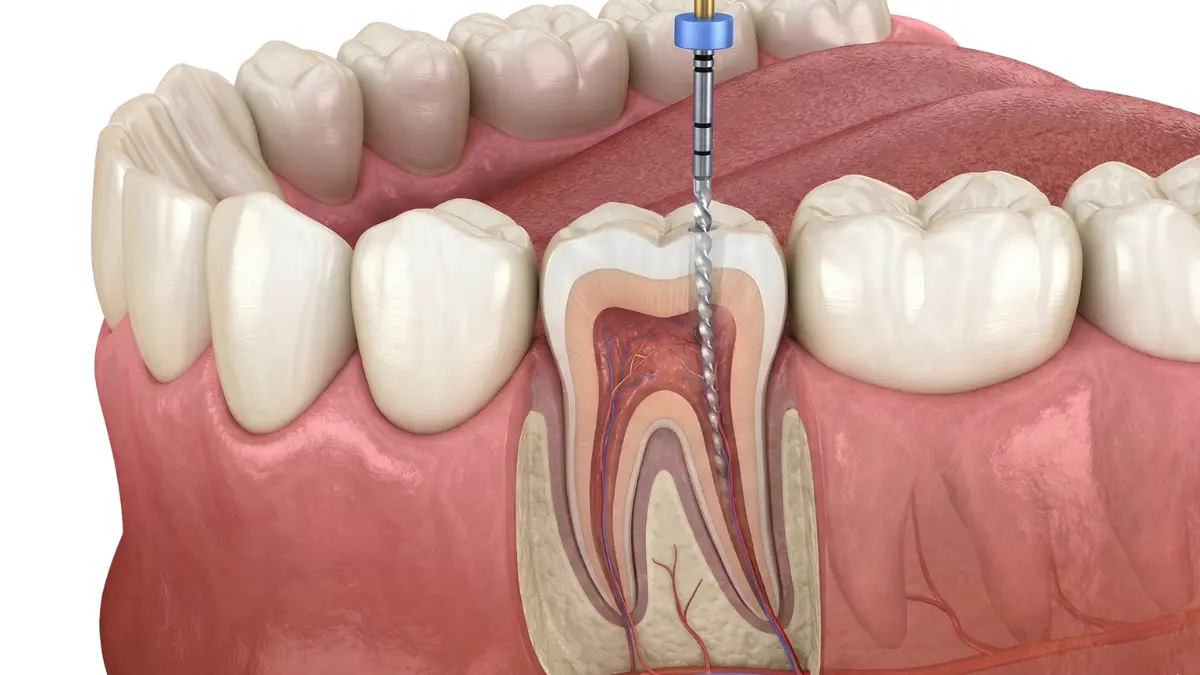
What Is Root Canal Therapy?
Inside each tooth is a soft tissue called the pulp, which contains nerves, blood vessels, and connective tissue. Deep decay, cracks, or dental injuries can damage the pulp and allow bacteria to cause an infection.
During root canal therapy in Toronto, we remove the affected pulp, clean and disinfect the internal canals, and seal the spaces with suitable material. The aim is to address the source of the infection while preserving the natural tooth rather than removing it.
Before recommending treatment, we assess the condition of the tooth and surrounding tissues to determine whether root canal therapy is appropriate. A suitable restoration may also be needed afterward to protect the treated tooth.
What Signs May Indicate the Need for a Root Canal?
Not every toothache requires root canal treatment. A damaged filling, an exposed root surface, or a gum problem can cause similar symptoms. However, certain changes should be assessed rather than ignored.
Common signs to watch for include:
- Persistent Tooth Pain: Discomfort that keeps returning, continues for an extended period, or becomes more intense.
- Lingering Temperature Sensitivity: Pain that remains after consuming hot or cold foods and beverages.
- Pain When Biting: Discomfort or pressure when chewing or placing weight on the affected tooth.
- Swollen Gums: Localised inflammation near the tooth that may indicate an underlying problem.
- Tooth Discolouration: Darkening of a tooth, particularly following a dental injury.
- A Small Gum Bump: A raised or swollen area on the gums that may indicate drainage associated with an infection.
A dentist in Toronto can assess these symptoms through a clinical examination, dental X-rays, and other diagnostic tests when necessary. Some infected teeth cause little or no discomfort, so the absence of pain does not necessarily mean the tooth is healthy.
What Happens During Root Canal Treatment?
Root canal treatment is generally performed using local anesthesia to numb the affected area and help manage discomfort. The number of appointments depends on the tooth’s condition, internal anatomy, and overall treatment needs.
The procedure typically involves the following steps.
- Examination and Diagnosis: We assess the affected tooth, review dental images, and determine whether root canal treatment is appropriate.
- Local Anesthesia: We numb the area around the tooth before beginning the procedure.
- Access to the Pulp: We create a small opening in the tooth to reach the pulp chamber and internal canals.
- Cleaning and Disinfection: We remove the affected pulp tissue and clean the canals to reduce bacteria and debris.
- Canal Sealing: We fill and seal the prepared canals with a suitable material to help prevent further contamination.
- Final Restoration: We restore the tooth with a filling or crown, depending on how much natural tooth structure remains and the protection required.
If you are considering root canal treatment near you, we can explain each stage of the procedure and discuss whether a crown or another restoration may be necessary to protect the treated tooth.
Why Is Preserving Your Natural Tooth Important?
Natural teeth help you chew comfortably and maintain the position of neighbouring teeth. Losing a tooth can leave a gap that may affect your bite and require additional restorative treatment.
When the tooth can be preserved, root canal treatment may offer an alternative to extraction.
- Maintaining Chewing Function: Preserving the tooth can help you continue using it during everyday activities.
- Keeping Natural Tooth Structure: Treatment addresses the damaged pulp while retaining the remaining tooth when possible.
- Supporting Tooth Alignment: Keeping the tooth may help prevent the gap that would otherwise follow extraction.
- Reducing the Need for Replacement: Saving a suitable natural tooth may avoid the need for a replacement option, such as a dental bridge or implant.
However, root canal treatment is not suitable for every damaged tooth. Extensive damage, insufficient remaining tooth structure, or other clinical concerns may mean that an alternative treatment is more appropriate.
How to Care for Your Tooth After Treatment
Some tenderness may occur during the first few days after a root canal, particularly if the tissues around the tooth were inflamed before treatment. Following your aftercare instructions can help you manage the recovery period and protect the tooth while the final restoration is being completed.
- Avoid Excessive Pressure: Avoid chewing hard foods with the treated tooth until your dentist confirms it is ready for normal use.
- Maintain Oral Hygiene: Continue brushing twice daily and flossing carefully to keep the surrounding teeth and gums clean.
- Complete the Restoration: Attend the recommended follow-up appointment for a permanent filling or crown when required.
- Monitor Your Symptoms: Pay attention to changes in pain, swelling, or discomfort after treatment.
- Seek Prompt Assessment: Contact the clinic if you experience worsening swelling, severe pain, or symptoms that persist instead of improving.
If you are looking for a root canal near you, regular follow-up appointments are important even after treatment is complete. These visits allow us to monitor the treated tooth, check its restoration, and identify any concerns that may require further attention.
Why Choose Bloor Lansdowne Dental Centre for Root Canal Treatment?
Choosing a dental clinic for root canal treatment means finding a team that listens to your concerns, explains the diagnosis, and discusses suitable treatment options.
At Bloor Lansdowne Dental Centre, we focus on careful assessment and clear communication throughout the treatment process.
- Thorough Assessment: We examine the affected tooth and use diagnostic findings to help determine the cause of your symptoms.
- Clear Explanations: We explain why root canal treatment may be recommended and what the procedure involves.
- Individualised Treatment Planning: We consider the tooth’s condition and discuss suitable treatment and restoration options.
- Aftercare Guidance: We explain how to care for the treated tooth and when to return for follow-up appointments.
Our aim is to help you understand your options and feel informed when making decisions about your dental health.
Address Tooth Pain Before It Gets Worse
Tooth pain deserves attention, even when the discomfort comes and goes. An examination can help identify the cause of your symptoms and determine whether root canal treatment or another approach is appropriate.
Contact Bloor Lansdowne Dental Centre to arrange an appointment. Call 416-535-7312 to visit our clinic on Lansdowne Avenue, Toronto, Ontario, M6H 3Y9. Our team can assess your symptoms and discuss the next steps for your care.
FAQs
Yes. Root canal treatment may be possible on a tooth that already has a crown. The condition of the crown and the accessibility of the tooth help determine the appropriate approach.
Antibiotics alone generally cannot eliminate an infection inside the root canal system. Dental treatment is usually needed to address the source of the infection. Antibiotics may be recommended in certain circumstances.
You can usually drive home if the procedure involves only local anesthesia and you feel well enough to drive. If sedation is used, you may need someone to take you home.
Yes. Retreatment may be necessary if an infection persists or develops again after the initial procedure. We assess the tooth to determine whether retreatment or another option is appropriate.