Dental Crowns Near You
A tooth weakened by decay, an injury, or repeated dental work may need more protection than a filling can provide. At Bloor Lansdowne Dental Centre, we provide dental crowns in Toronto to restore damaged teeth and help improve their strength, shape, and function.
If you are looking for dental crowns near you, our team can examine your tooth, explain the available options, and determine whether a crown is suitable for your dental needs.
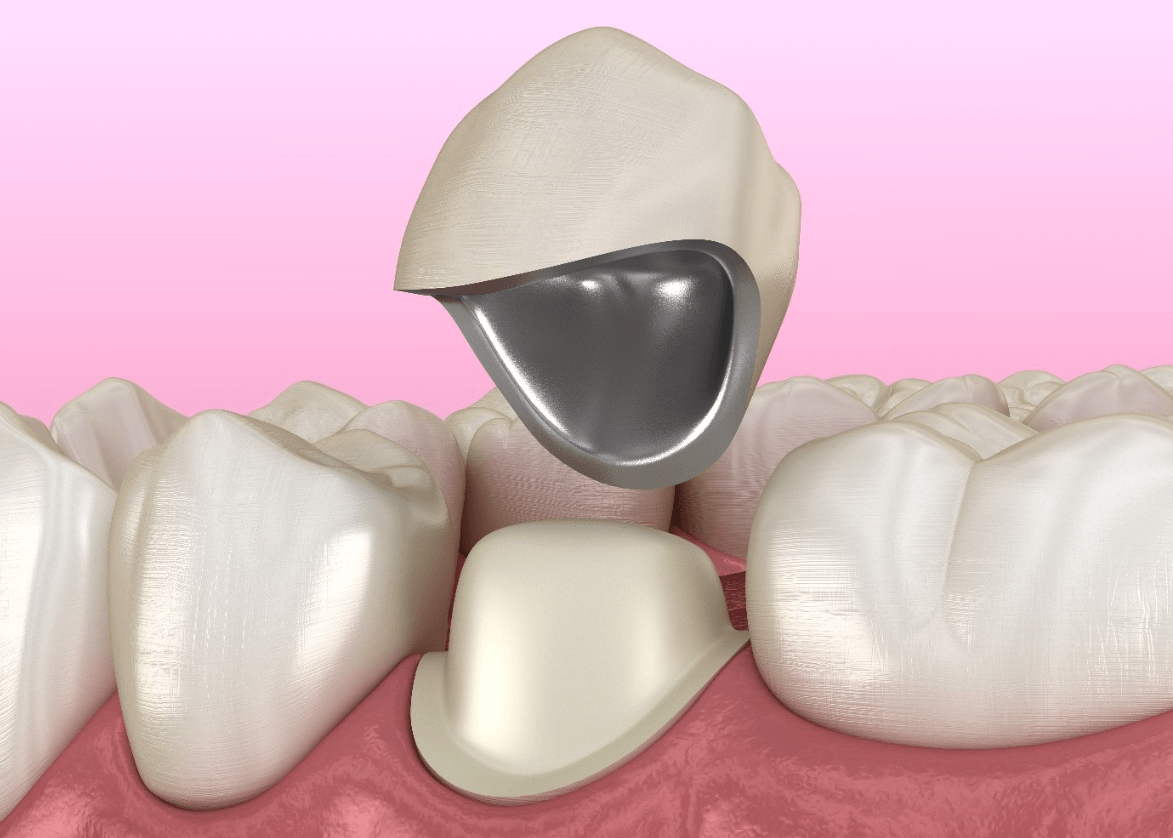
What Are Dental Crowns?
A dental crown is a custom-made restoration that covers the visible portion of a tooth. It helps protect the remaining tooth structure while restoring its shape and function.
During your visit to our dental clinic in Toronto, we assess the affected tooth, surrounding gums, and bite. Crowns can be made from materials such as porcelain, ceramic, or metal alloys. The recommended material depends on the tooth’s location, condition, and your preferences.
When Might You Need a Dental Crown?
Not every damaged tooth needs a crown. Smaller cavities may be treated with fillings, while teeth with more extensive damage may require greater coverage.
A crown may be recommended for several reasons:
- Extensive Tooth Decay: A large cavity has weakened the remaining tooth structure.
- Cracked or Broken Teeth: A tooth needs additional protection after a fracture or break.
- Large Existing Fillings: An older restoration no longer provides enough support for the tooth.
- After Root Canal Treatment: Certain teeth need a crown to protect the remaining structure.
- Severe Tooth Wear: Significant wear has reduced the tooth’s original shape or structure.
- Dental Implants: A crown can replace the visible portion of a missing tooth when attached to an implant.
We offer dental crowns in Toronto to restore teeth weakened by decay, fractures, or previous dental work. Before recommending a crown, we assess the condition of your tooth and determine whether it can benefit from additional protection.
Benefits of Dental Crowns
A dental crown can help protect a weakened tooth and restore its everyday function. The benefits depend on the tooth’s condition and the type of restoration selected.
- Protection for Weakened Teeth: Covers damaged areas that need additional support.
- Improved Chewing Function: Restores the biting surface to help you chew more comfortably.
- Natural-Looking Appearance: Tooth-coloured materials can blend with surrounding teeth.
- Support for Remaining Structure: Covers areas that may not receive enough protection from a filling alone.
- Customized Fit: Designed to fit your tooth and work with your bite.
- Versatile Restoration: Can repair damaged teeth or complete certain dental implant treatments.
What to Expect During Crown Treatment
Getting a dental crown involves preparing the tooth and creating a restoration that fits your mouth. The number of appointments depends on the treatment approach.
Your treatment may include:
- Initial Examination: Assess the tooth and take X-rays when needed.
- Tooth Preparation: Address damaged or decayed areas and shape the tooth for the crown.
- Impressions or Measurements: Gather the information needed to create a crown that fits your tooth and bite.
- Temporary Crown: Place a temporary restoration when needed to protect the prepared tooth.
- Crown Fitting: Check the restoration’s shape, appearance, and fit.
- Final Placement: Secure the crown after checking its fit and how your teeth come together.
If you are considering dental crown treatment near you, our team will explain each stage so you know what to expect.
Caring for Your Dental Crown
A crowned tooth still needs daily care. Plaque can collect around the gumline, and the natural tooth underneath the crown can still develop decay.
To care for your restoration:
- Brush Twice Daily: Use fluoride toothpaste to clean your teeth and the area around the crown.
- Floss Daily: Clean carefully around the crown and along the gumline.
- Avoid Hard Objects: Do not chew ice or bite hard objects that could damage the restoration.
- Attend Regular Checkups: Allow your dental team to monitor the crown and surrounding tooth.
- Report Changes: Contact us if your crown becomes loose, damaged, or uncomfortable.
If you are looking for dental crowns near you, regular dental visits can help us check your restoration and address concerns as they arise.
Why Choose Bloor Lansdowne Dental Centre for Dental Crowns?
Choosing our dental clinic for dental crowns involves finding a team that considers your oral health, comfort, and restorative needs.
At Bloor Lansdowne Dental Centre, we focus on understanding the condition of your tooth and explaining suitable treatment options.
- Careful Assessment: We examine your tooth before recommending a crown.
- Clear Explanations: We discuss suitable materials and explain what the treatment involves.
- Individualized Treatment Planning: Our recommendations reflect the condition of your tooth and the protection it needs.
- Ongoing Care: We can monitor your crown during regular dental visits and assess any concerns.
Schedule Your Dental Crown Consultation
A weakened or damaged tooth may still be preserved with appropriate restorative treatment. Bloor Lansdowne Dental Centre provides dental crowns in Toronto to help restore suitable teeth and protect their remaining structure.
Contact our team to schedule a consultation at our clinic on Lansdowne Avenue, Toronto, Ontario, M6H 3Y9. Call 416-535-7312 to discuss your concerns and find out whether a dental crown may be right for you.
FAQ’s
The lifespan varies depending on the material, tooth location, oral hygiene, and biting habits.
Yes. The crown itself cannot develop decay, but the natural tooth underneath or around its edges can still develop cavities.
No. Whitening products do not lighten crown materials, so the crown’s colour will generally remain unchanged.
Keep the crown and contact our clinic as soon as possible. Avoid trying to reattach it yourself.